
Project Gardiner Museum × Chris Cornelius
Photos 1-3 by Toni Hafkenscheid; 4 by Salina Kassam; 5-9 by McWood
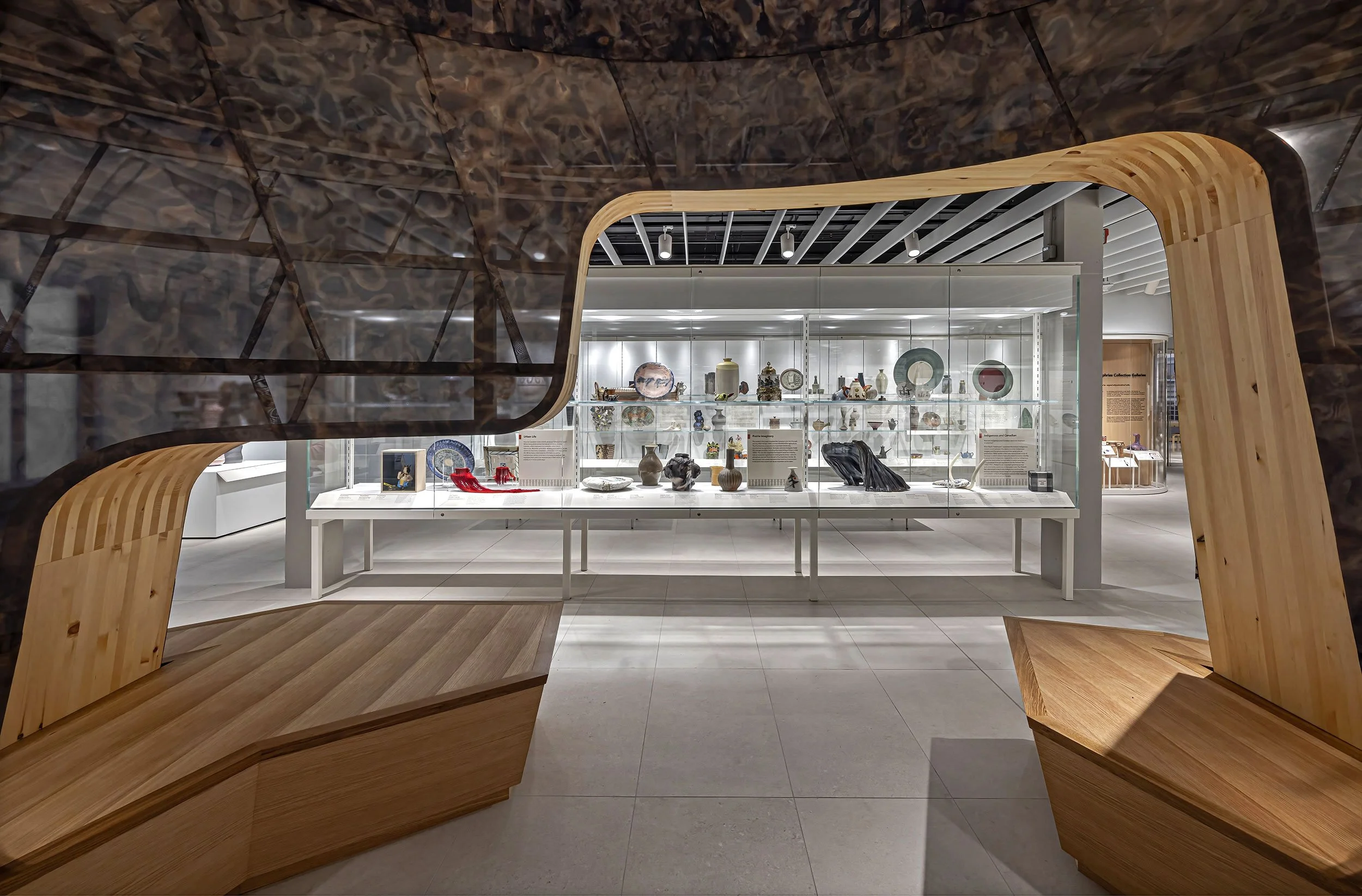
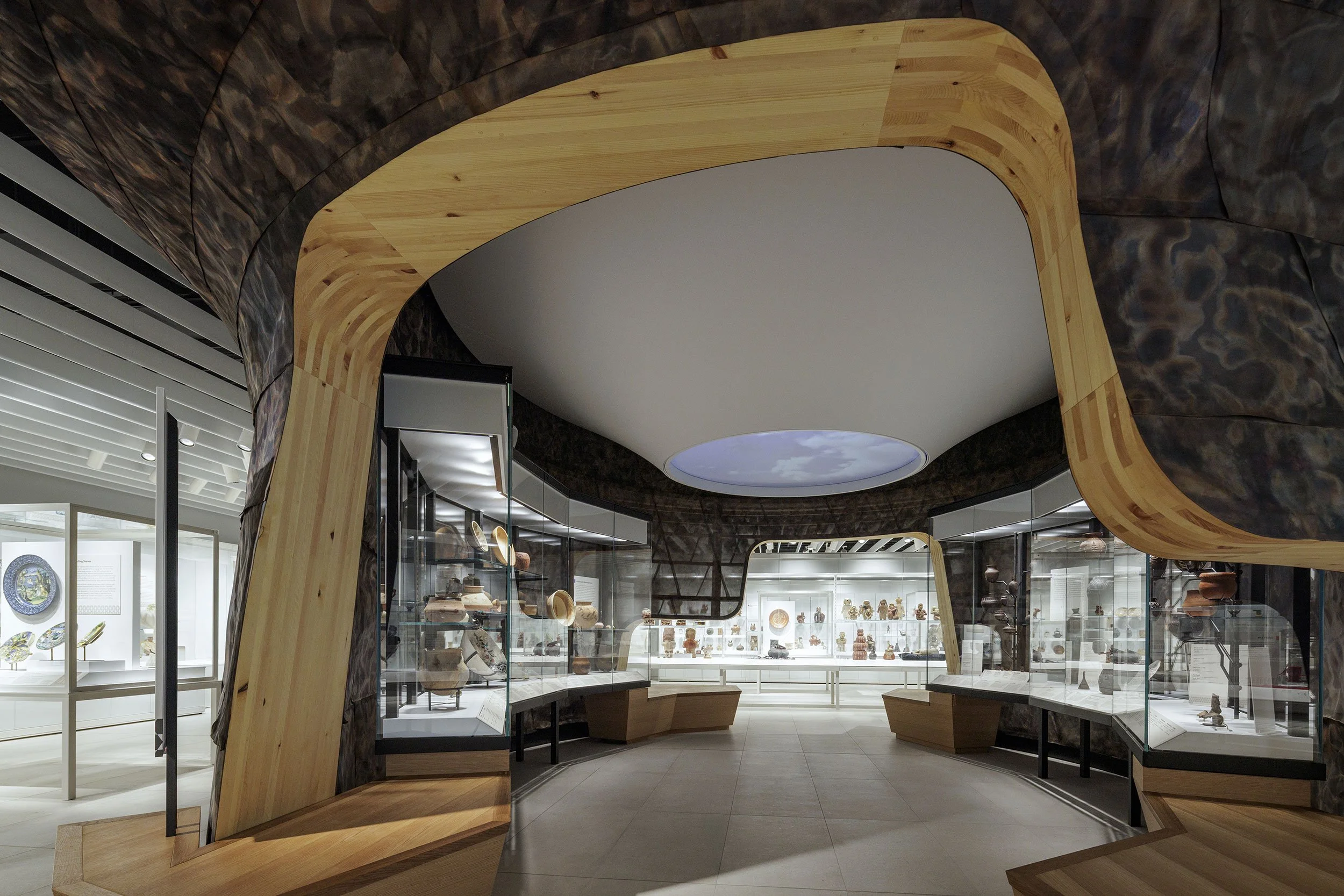
Designed by Indigenous artist, architect, and Professor Chris Cornelius, this year-long build pushed the boundaries of fabrication, engineering, and material innovation. Working closely with the artist's vision, McWood spent months developing, refining, and redrawing the project to resolve the complex CNC machining, assembly, and installation requirements.
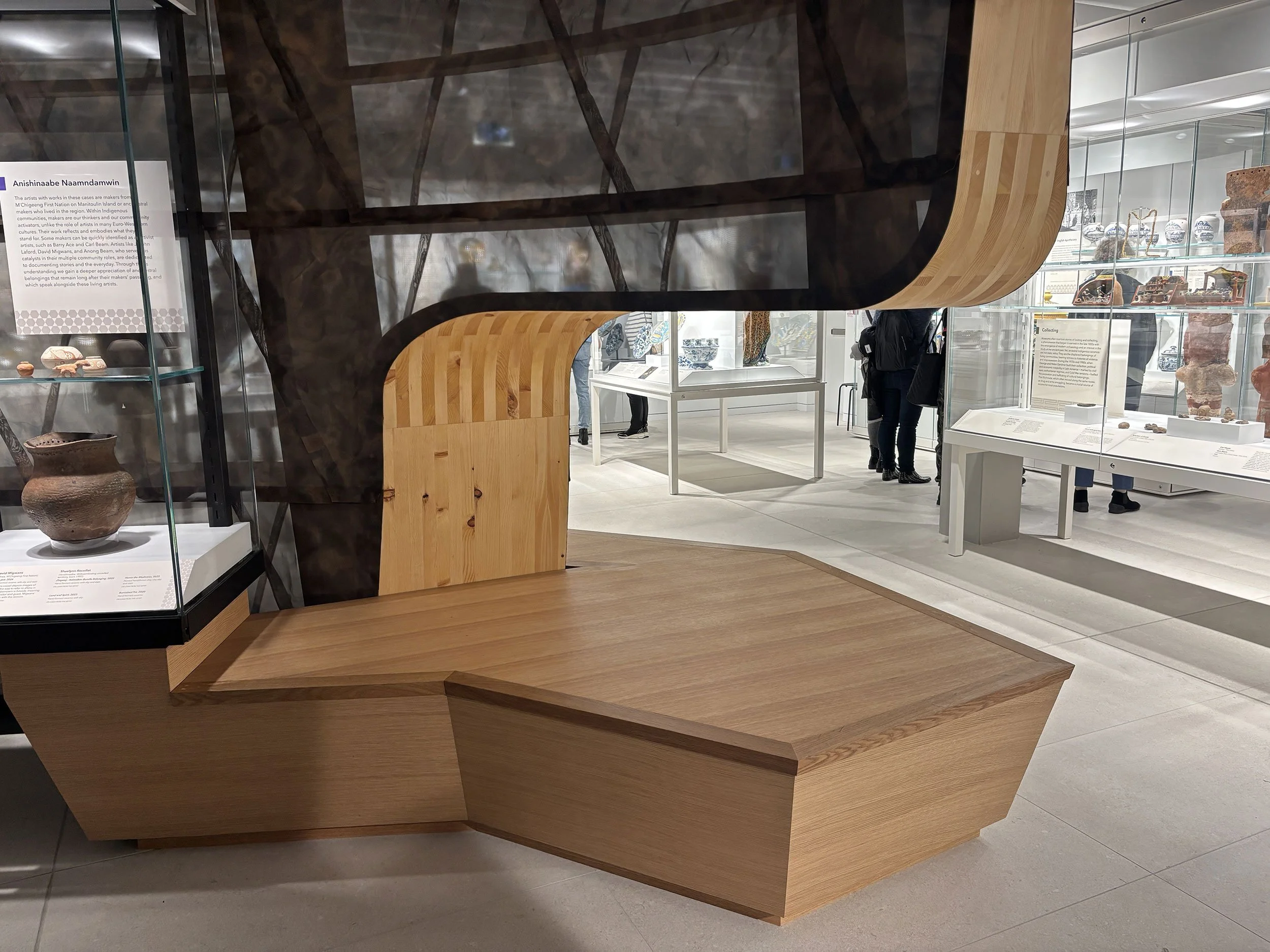
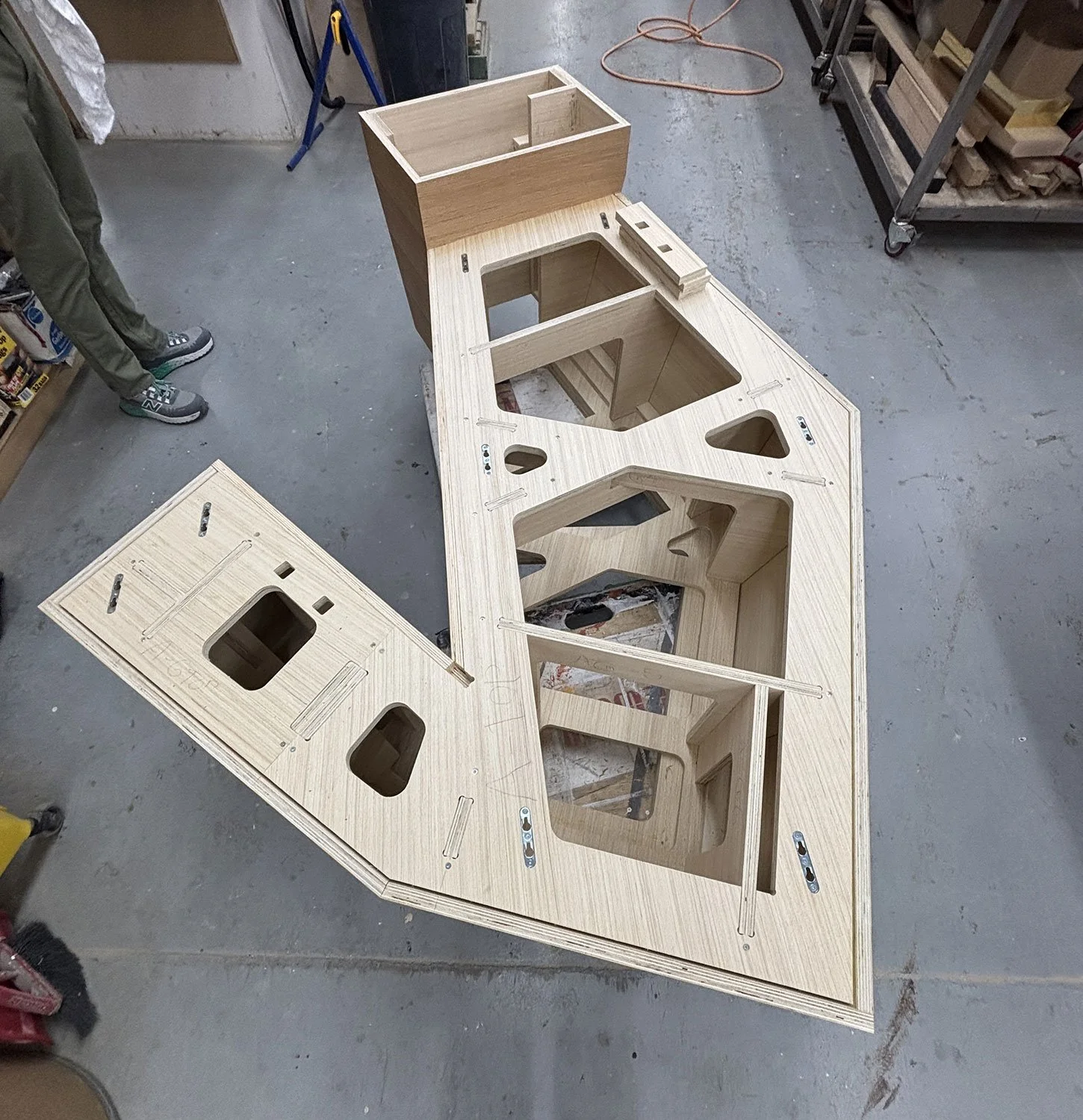
At the heart of the installation was a highly intricate skeletal structure fabricated from rough-sawn pine. Standard 2" × 12" pine boards were milled into narrow strips, then re-laminated to create the material necessary for the project's curved forms. The laminated components were CNC-machined to produce the precise geometries required for the structure's organic shape. Extensive prototyping and engineering were required to ensure that each component could be manufactured, assembled, and installed while maintaining the integrity of the original design.
The structure was then clad in hundreds of individually fabricated copper panels. Each sheet underwent chemical patination and fire treatment to achieve its unique finish before being carefully folded, shaped, and darted. Drawing inspiration from garment construction, the copper skin was engineered to overlap and articulate like feathers, allowing the rigid material to conform to the complex curves of the underlying framework while creating a dynamic surface that shifts with changing light conditions.
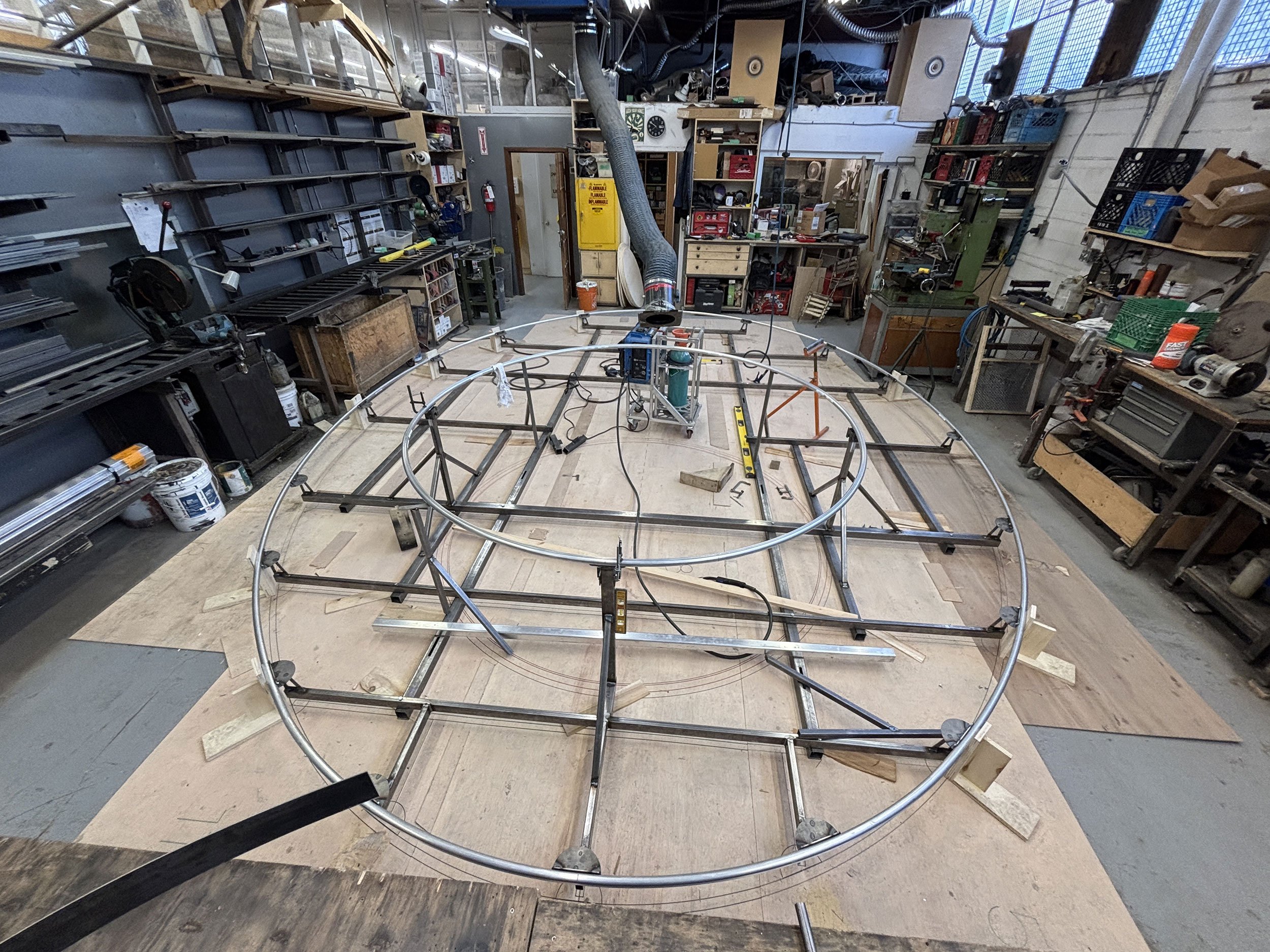
McWood also designed and fabricated the project's oculus, a sculptural structure clad in projection-screen material. Beyond its visual role within the installation, the oculus incorporated a concealed technical solution: a rotating central section that provides discreet access for maintenance and servicing of the integrated projection equipment. Invisible to museum visitors, this feature ensured long-term functionality without compromising the artistic intent of the work.
The project stands as a testament to the collaboration between art, architecture, and advanced fabrication, requiring innovative problem-solving at every stage—from digital design and CNC production to material experimentation and final installation.